
Reviewed for the live Early Access build
Dimraeth Character Creation Guide
Character creation starts with a race and a class. Their combination defines the archetype you develop through attributes, skills, gear, and spells.
Race, class, and archetype#
Race and class shape the starting identity of a character. Treat an archetype as a foundation. Gear, attributes, and spells can push the same starting combination toward different jobs.
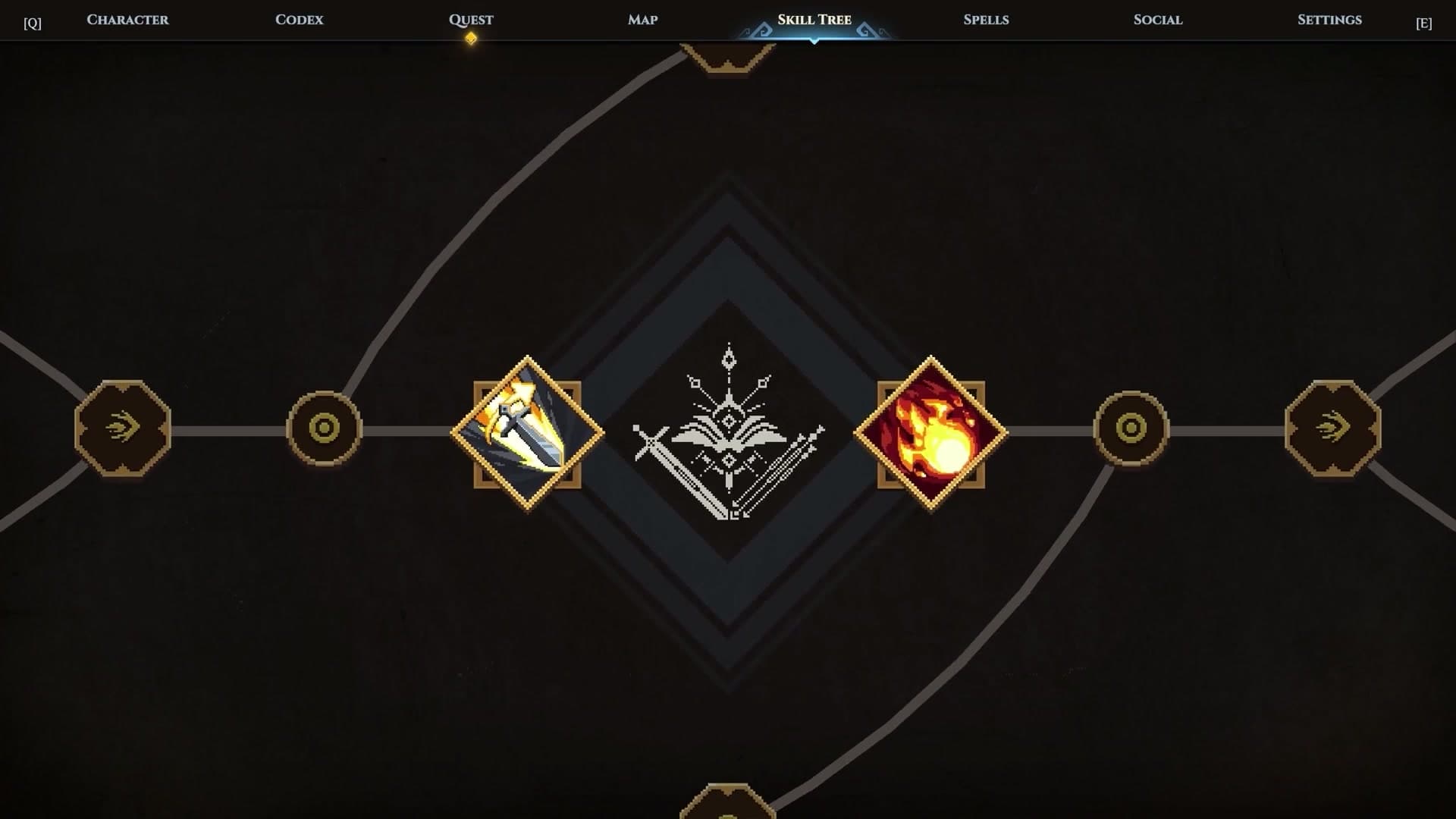
- Pick a class for your preferred attack range
- Pick a race for flavor and available traits
- Review the actual live roster before planning around a named option
Plan around a play pattern#
A practical first build needs one reliable damage tool, one answer to pressure, and enough stamina discipline to escape. Add specialization after the basic loop feels stable.
- Close-range plan: preserve an exit
- Ranged plan: keep enemies at useful distance
- Spell-heavy plan: protect concentration and recovery windows
Roster caution#
Official marketing describes eight races and six classes across the full design. Pre-release community pages mention examples such as Minotaur, Human, Elf, Fairy, Brawler, Magician, and Shadow. Availability may differ by build, so this guide does not publish a complete roster table yet.
- Use current client labels
- Avoid old playtest tier claims
- Keep a flexible early loadout
Test the choice before specializing#
Use the first stretch of combat as a practical character test. Can the basic attack reach safely? Can the character disengage after spending stamina? Does the starting spell pattern feel readable under pressure? These answers matter more than a pre-release ranking because they reveal whether the character fits the way you naturally play.
Change one variable at a time when the build feels weak. Swap a spell, adjust an attribute priority, or change a piece of equipment, then repeat a familiar encounter. Several simultaneous changes make it hard to know what fixed the problem.
- Test range and recovery
- Check stamina after a normal attack sequence
- Keep one change per test
- Use repeatable encounters for comparison
Know when the build has a foundation#
A starting build is ready when it has a dependable way to deal damage, one defensive response, one answer to groups or distance, and a recovery plan. From there, attributes and equipment can strengthen a clear identity. Before that point, specialization usually magnifies an unresolved weakness.
- Reliable damage
- Defensive response
- Range or crowd answer
- Recovery plan
FAQ#
Is an archetype a fixed build?
No. It is a starting combination that can be developed through skills, attributes, equipment, and spells.
Which race is best?
A current tier judgment needs live balance data, so choose for your preferred play pattern and verify available traits in the client.
Related pages#
Dimraeth Getting Started Guide
Learn the first route, core meters, spell loadout, persistence rules, and a practical first-session plan.
Dimraeth Combat Systems Guide
Learn stamina management, defensive timing, concentration, spell slots, status pressure, and boss-ready habits.
Dimraeth Spells Guide
Build a five-spell loadout, understand spell schools, and separate the broad spell pool from confirmed live availability.
Dimraeth Equipment Guide
Evaluate gear by function, rarity, upgrades, and loadout fit while avoiding unstable pre-release set values.