
Reviewed for the live Early Access build
Dimraeth Quests and Story Guide
Quest organization matters more than a giant checklist. Keep the main route visible, then use Deeds and Bounties when they overlap with where you already plan to go.
Three useful quest buckets#
The developer's own playtest notes describe Deeds as short-form quests and introduce Bounties as a separate type for players who want to replay tough encounters with scaling difficulty and rewards. Alongside the main story route, those three labels are the practical way to decide what advances the campaign and what can wait.
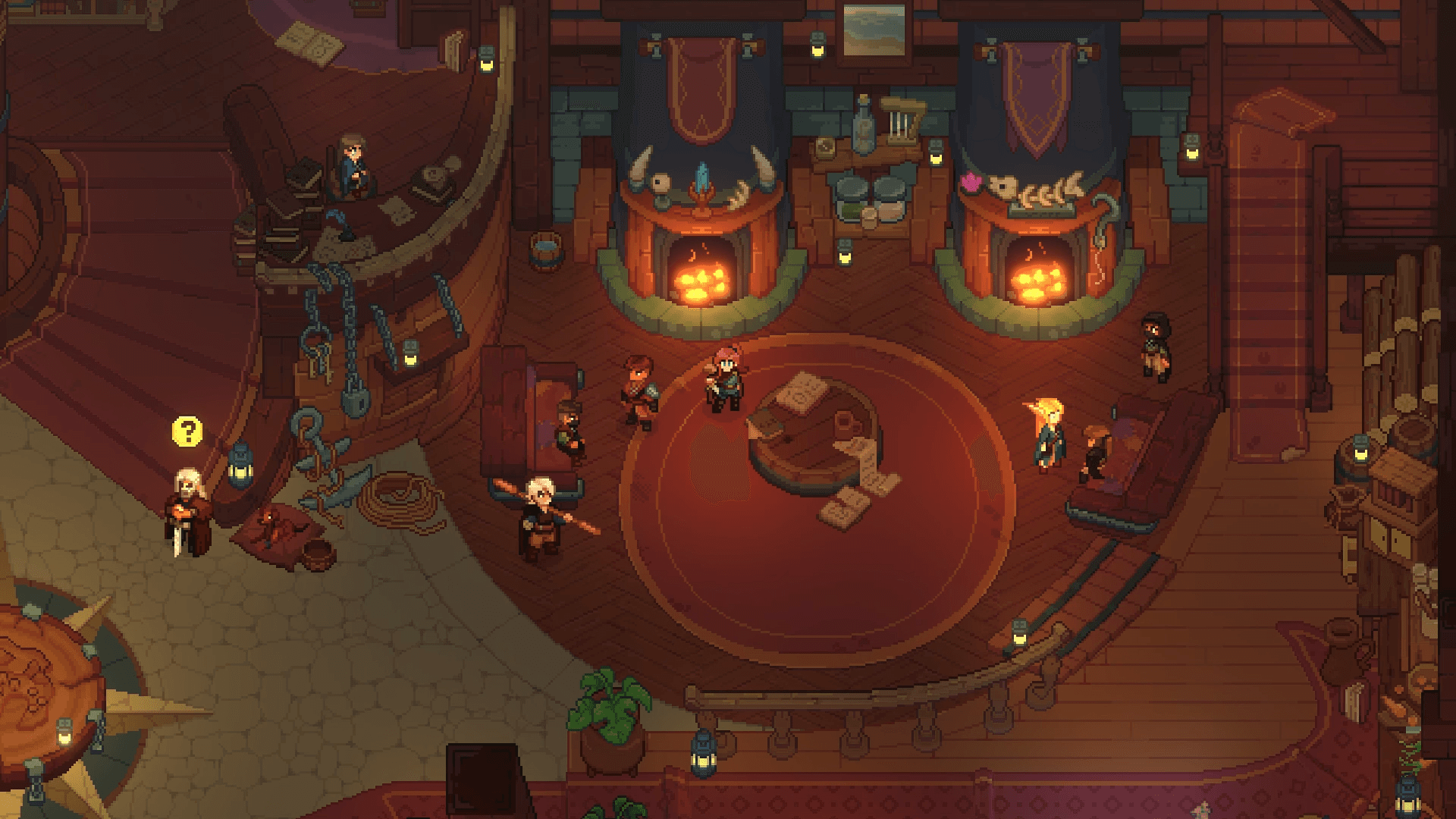
- Main quests: keep the story direction visible
- Deeds: combine with nearby exploration
- Bounties: prepare for a named combat target
Route quests efficiently#
Speak with visible NPC markers before leaving a hub, then group objectives by region. Return when several tasks point back to the same services or characters.
- Clear hub conversations together
- Pair gathering with the current route
- Avoid crossing the map for one low-priority task
Story and co-op boundary#
This page avoids exact late-story steps and rewards. It also treats story progress as world-bound, which means a friend's host world may be ahead of or behind your own.
- Confirm the active host world
- Read quest text before following an old walkthrough
- Treat named rewards as version-sensitive
Triage the quest log#
Keep one main objective as the route anchor. Add a Deed when it lies in the same region or uses the same materials. Add a Bounty when the group has recovery, a suitable spell bar, and time to learn the encounter. Leave unrelated tasks for a later loop.
When several quest markers cluster in a hub, read them before choosing the route. The conversations may reveal that two objectives share a destination or facility.
- One main route anchor
- Optional work in the same region
- Bounties only with preparation
- Batch hub conversations
When a quest appears stuck#
Check that you are in the world where the quest was advanced. Then reread the objective, return to the last named NPC or location, and look for a visible interaction that was skipped. Avoid trusting an old exact step until the current text confirms the same sequence.
- Confirm the host world
- Read the current objective text
- Return to the last confirmed step
- Treat older reward and flag tables as provisional
FAQ#
Will this page spoil the whole story?
No. It explains quest structure and early routing while leaving exact later outcomes out.
Do completed quests follow my character into another world?
Story progress remains with the world, so the active host matters.
What is the difference between a Deed and a Bounty?
Deeds are the developer's short-form quests: small objectives you can fold into a route you already planned. Bounties are repeatable combat goals built around tough encounters, with scaling difficulty and rewards for pushing further. Neither replaces the main story route.
Related pages#
Dimraeth Starter Walkthrough
A spoiler-light route through the Lost Caverns, Earlwood, and the approach to Wildwood.
Dimraeth Map and Regions Guide
Orient yourself through the starter region, Earlwood, Wildwood, and a shared world's persistent landmarks.
Dimraeth Stronghold Guide
Use the stronghold as a persistent base for crafting, services, storage decisions, and shared-world planning.
Dimraeth Boss Fights Guide
Prepare for boss encounters, read telegraphs, manage adds, and use version-safe advice for known demo bosses.
Dimraeth Deeds and Bounties Guide
What Deeds and Bounties do in Dimraeth, how their repeatable difficulty loop fits the Early Access build, and which unlock and reward details remain open.